|
|
|
 |
Black Phoebe
|
| Sayornis nigricans | |
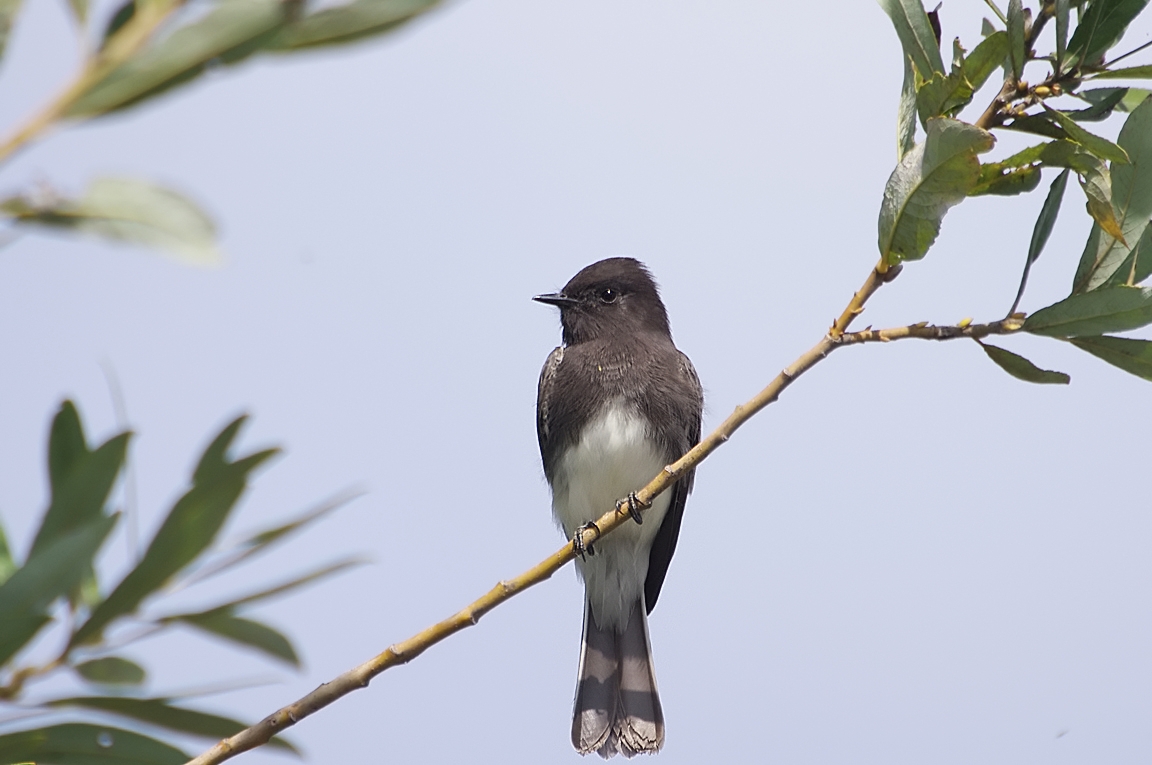
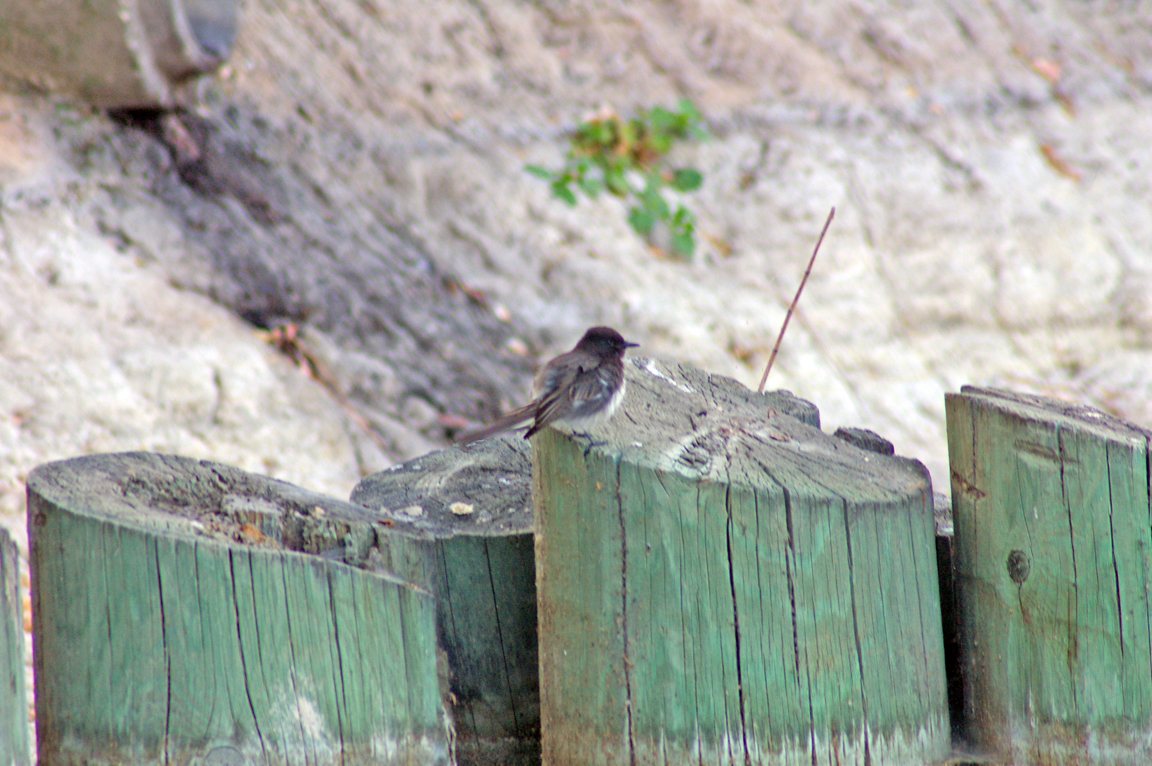
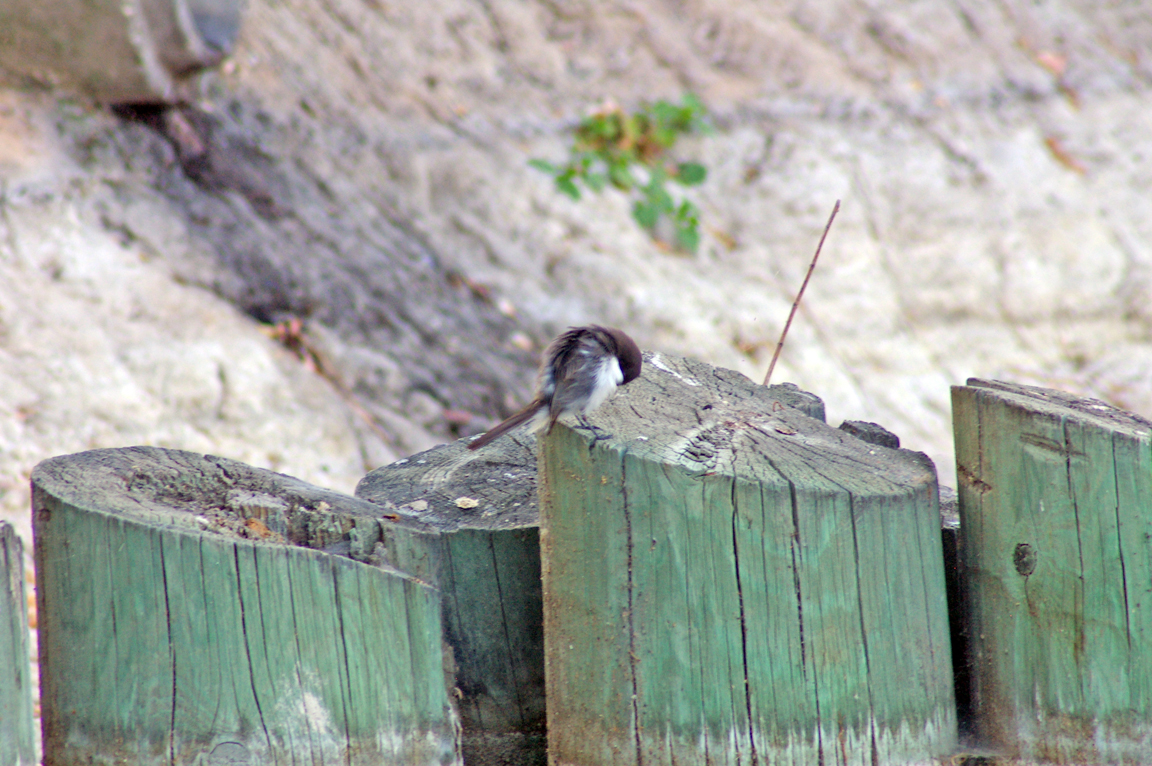
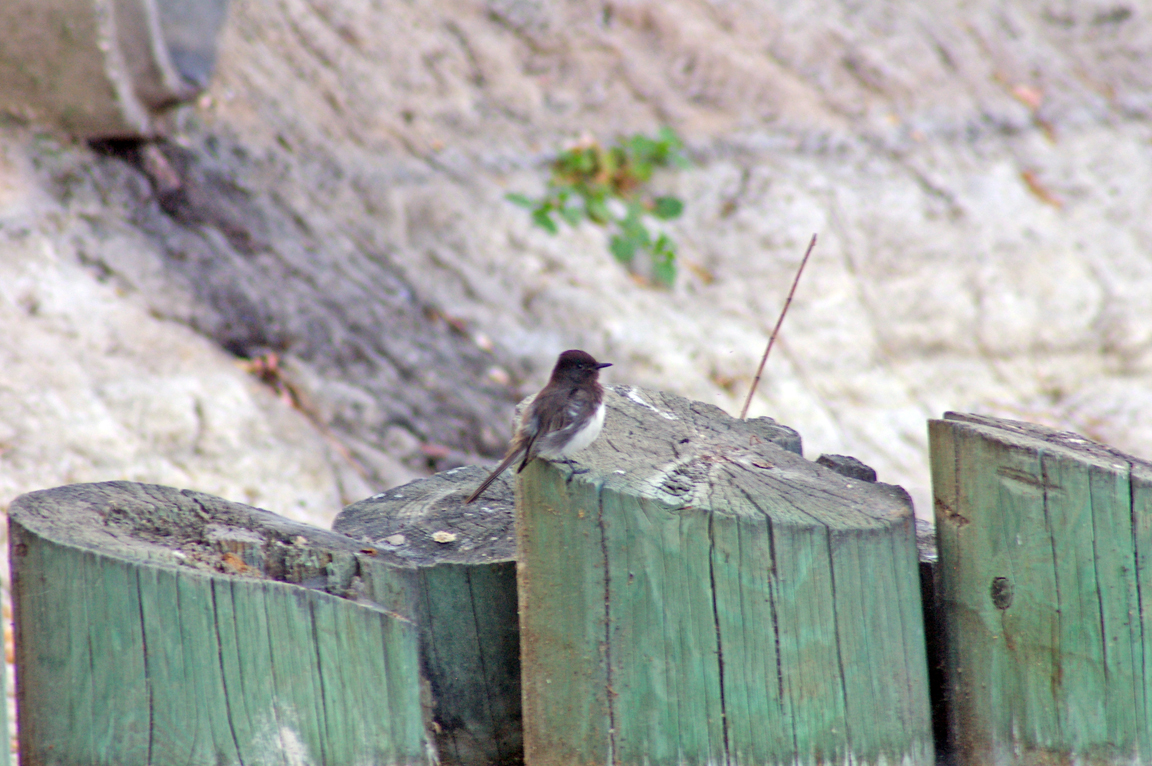
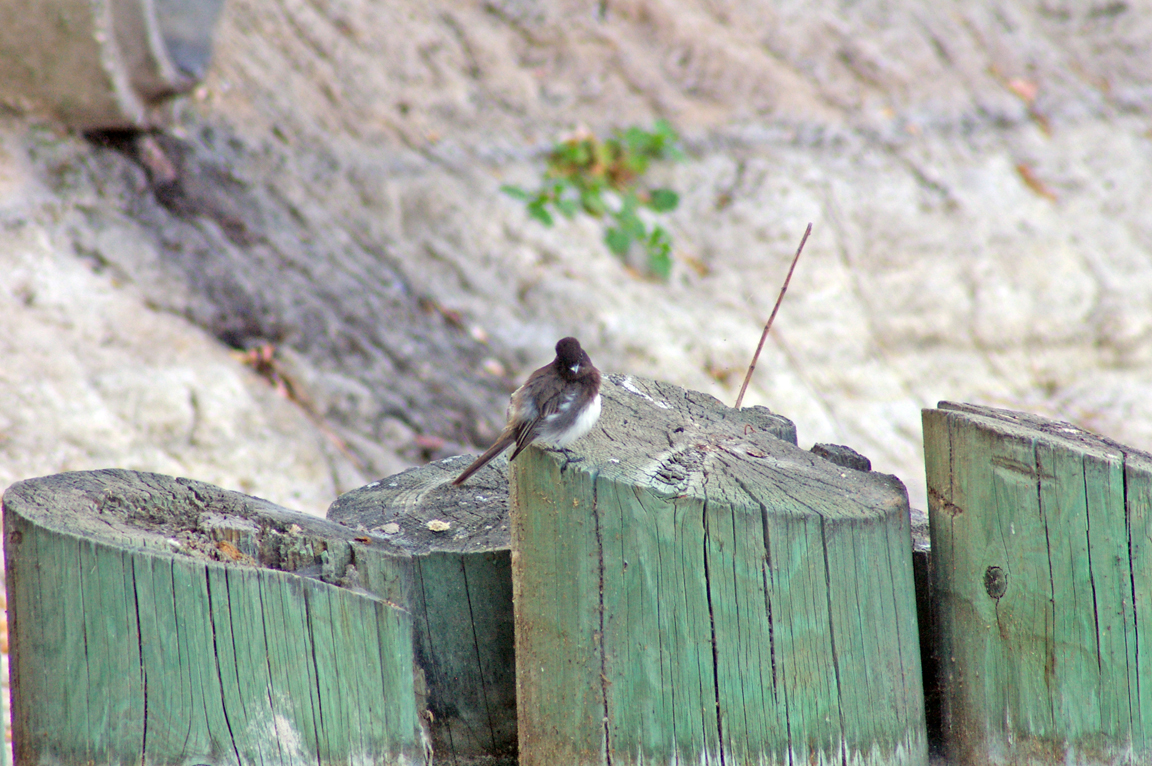
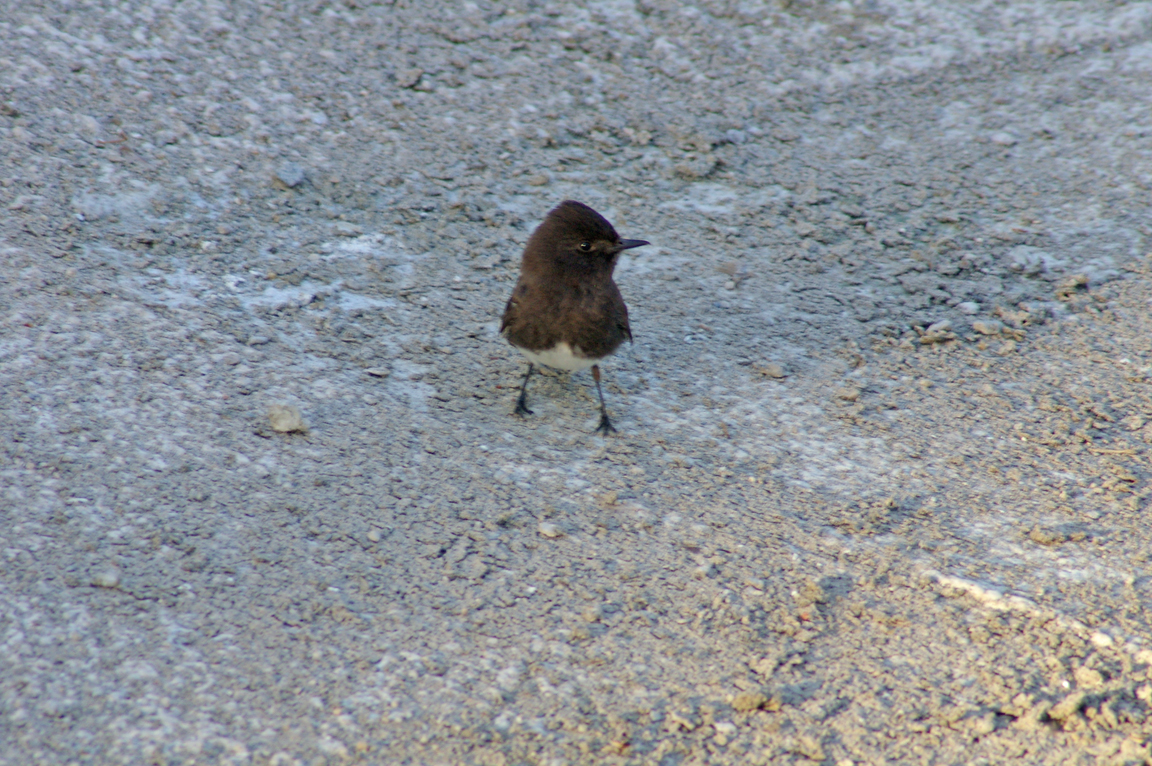
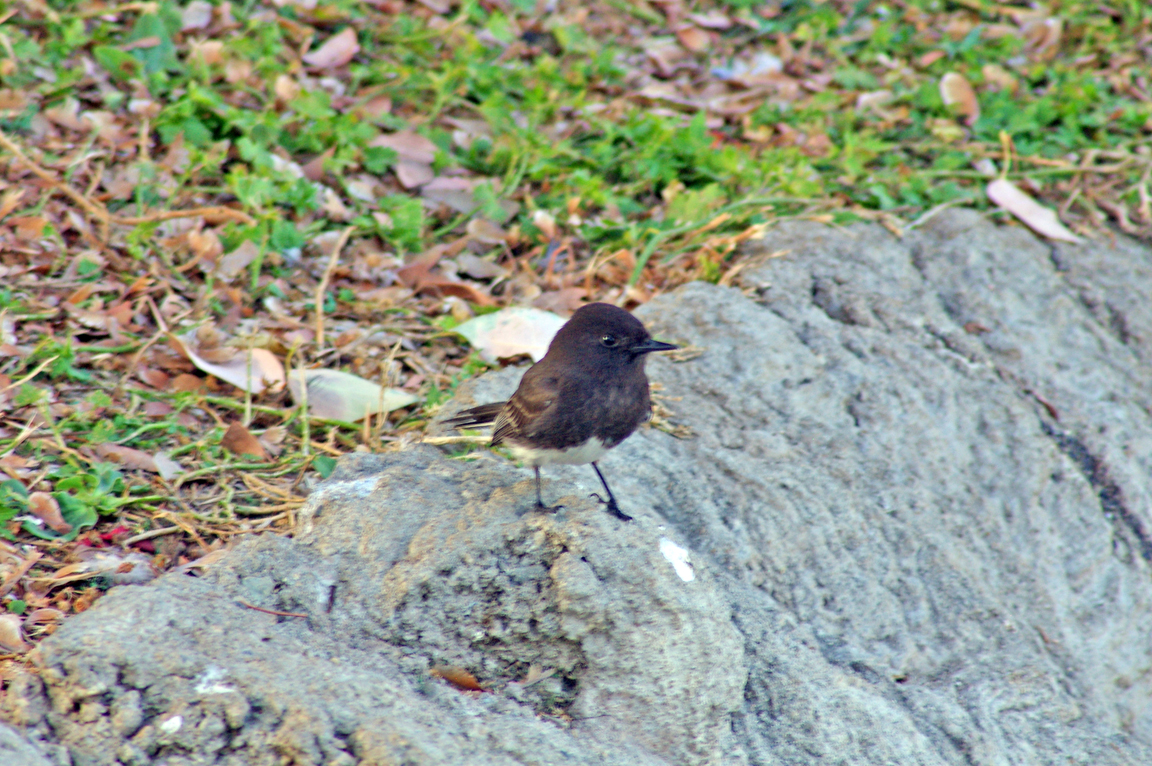
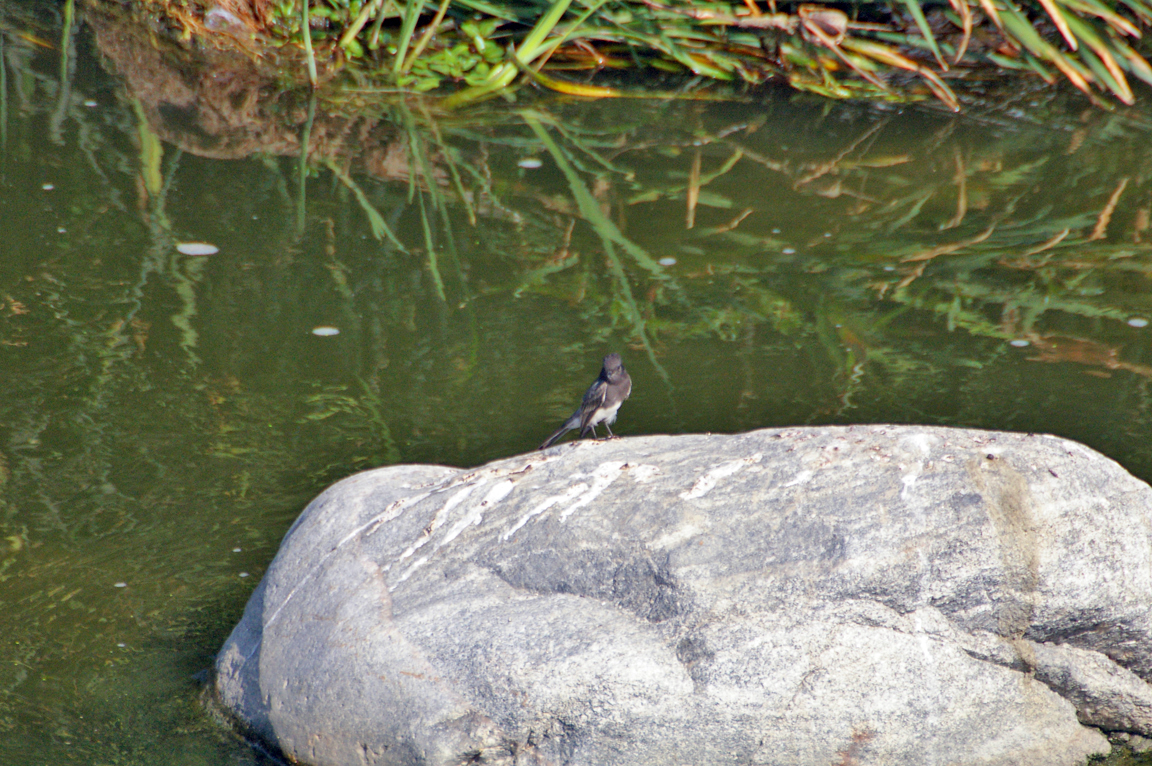
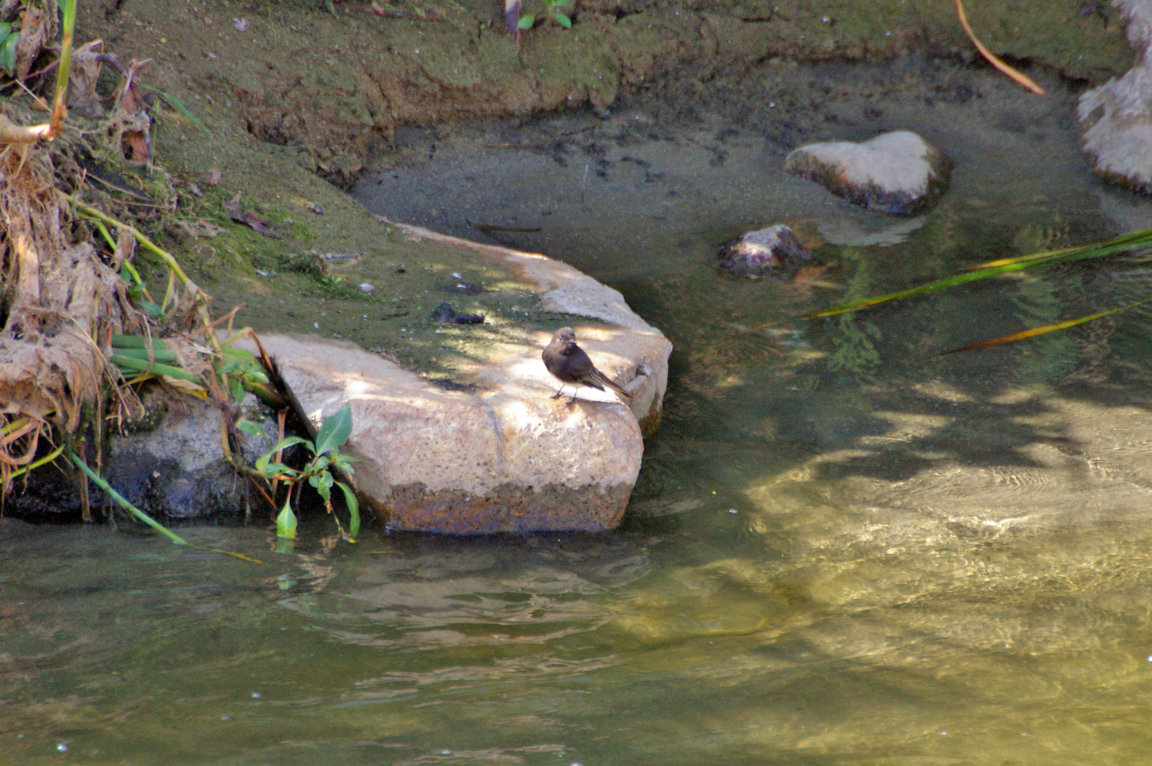
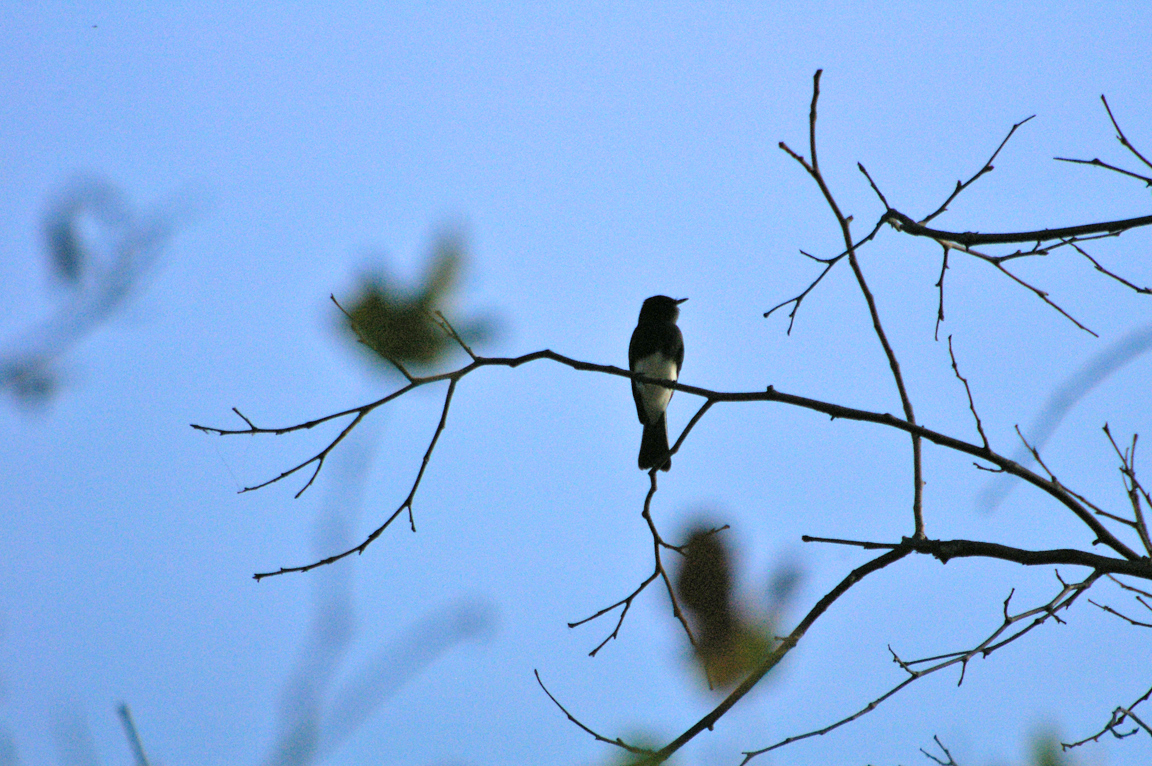
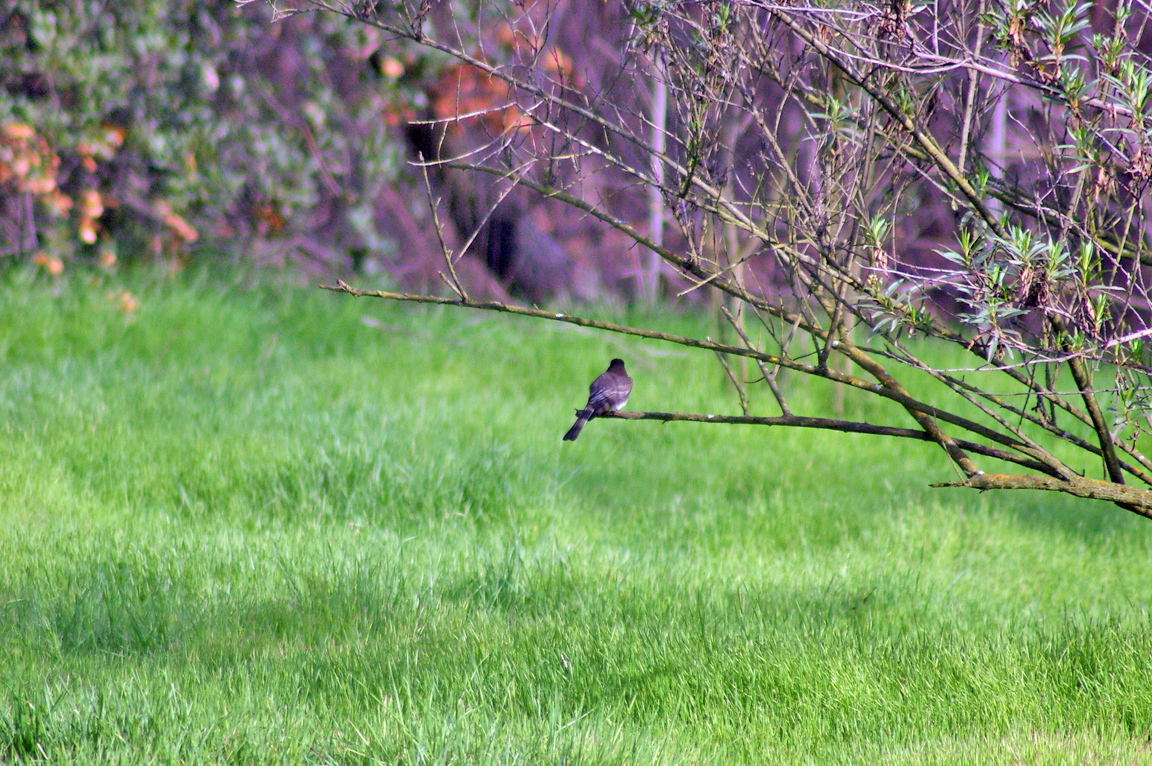
A small black-and-white flycatcher of the Southwest, the Black Phoebe is often found around people, but nearly always near water.
Interesting Information
-
Although primarily insectivorous, the Black Phoebe occasionally catches fish. It dives into ponds to catch small minnows or other tiny fish, and may even feed fish to nestlings.
-
The male Black Phoebe shows the female potential nest sites, hovering in front of a likely spot for 5 to 10 seconds. The female makes the final decision about where to place the nest and does all the construction.
Description
Adult Description
-
Length Range: 15-18 cm (6-7 in)
-
Weight: 15-22 g (0.53-0.78 ounces)
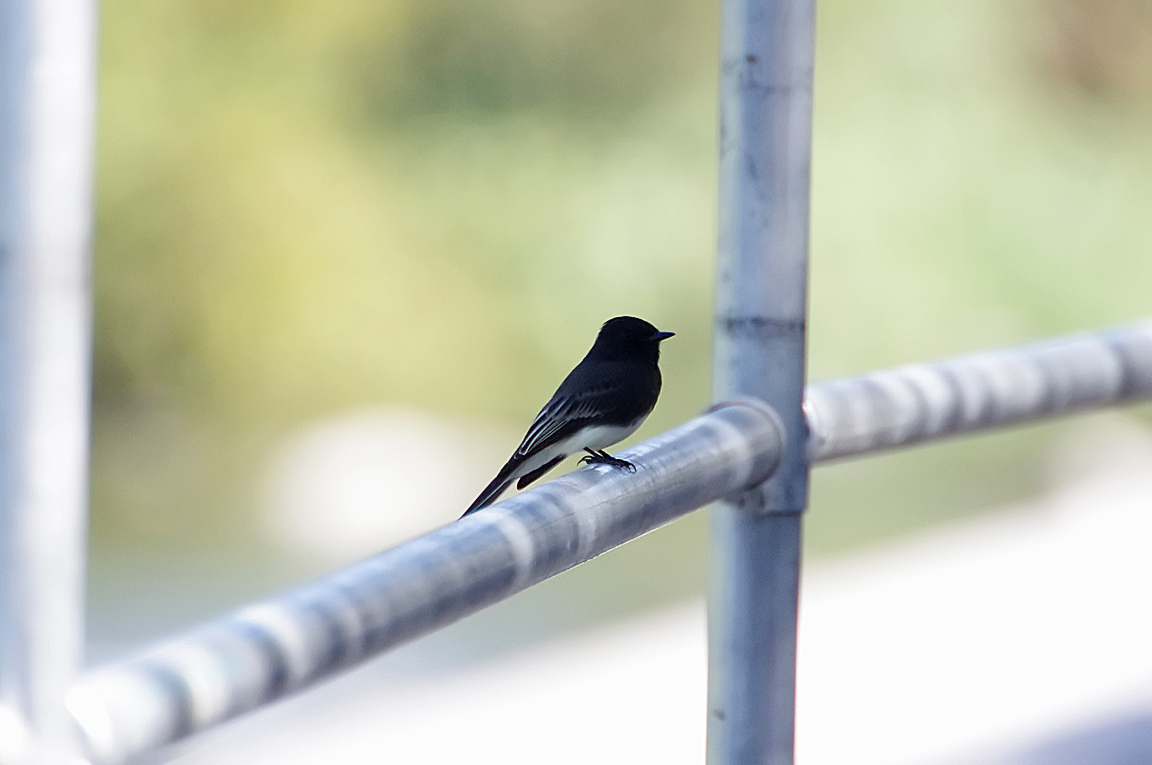
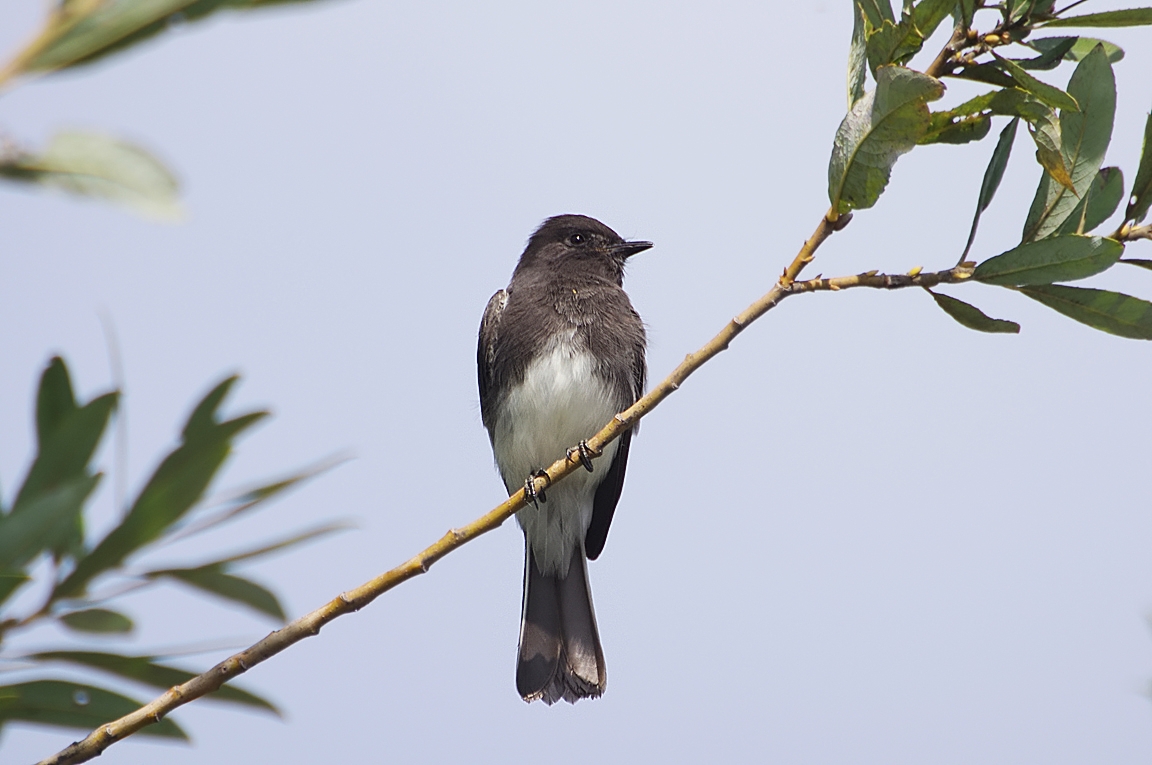
Small songbird; medium-sized flycatcher.
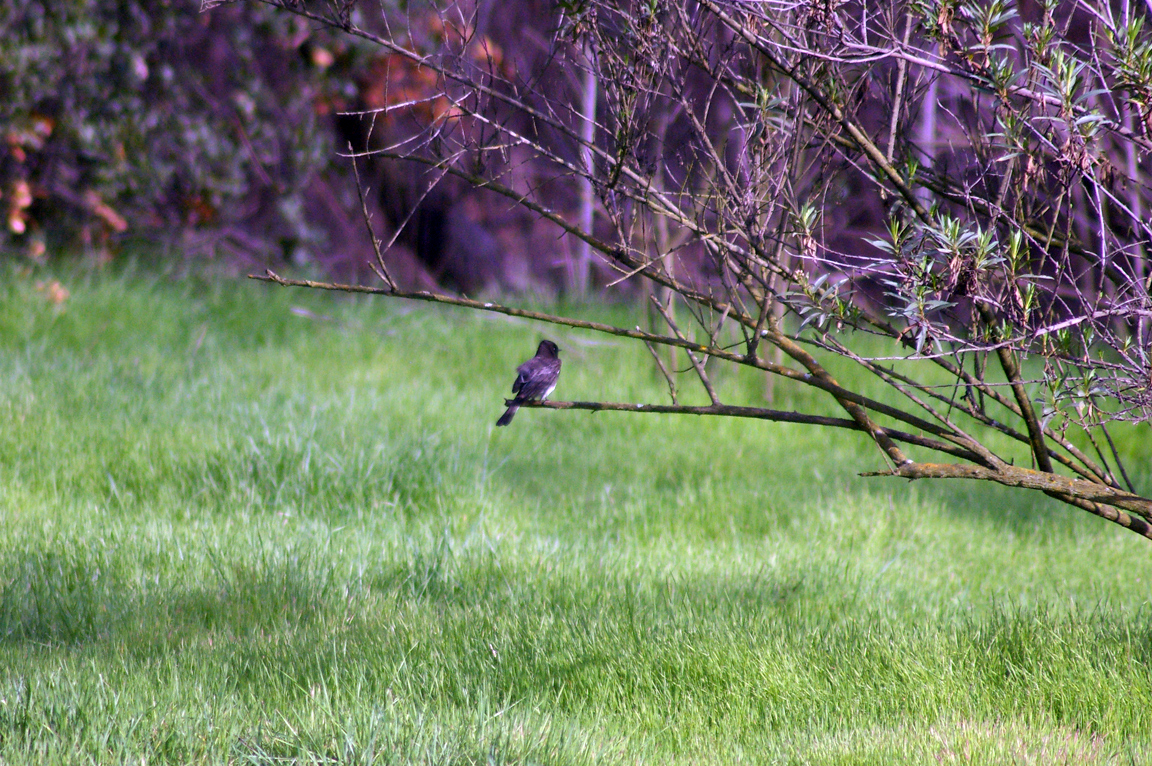
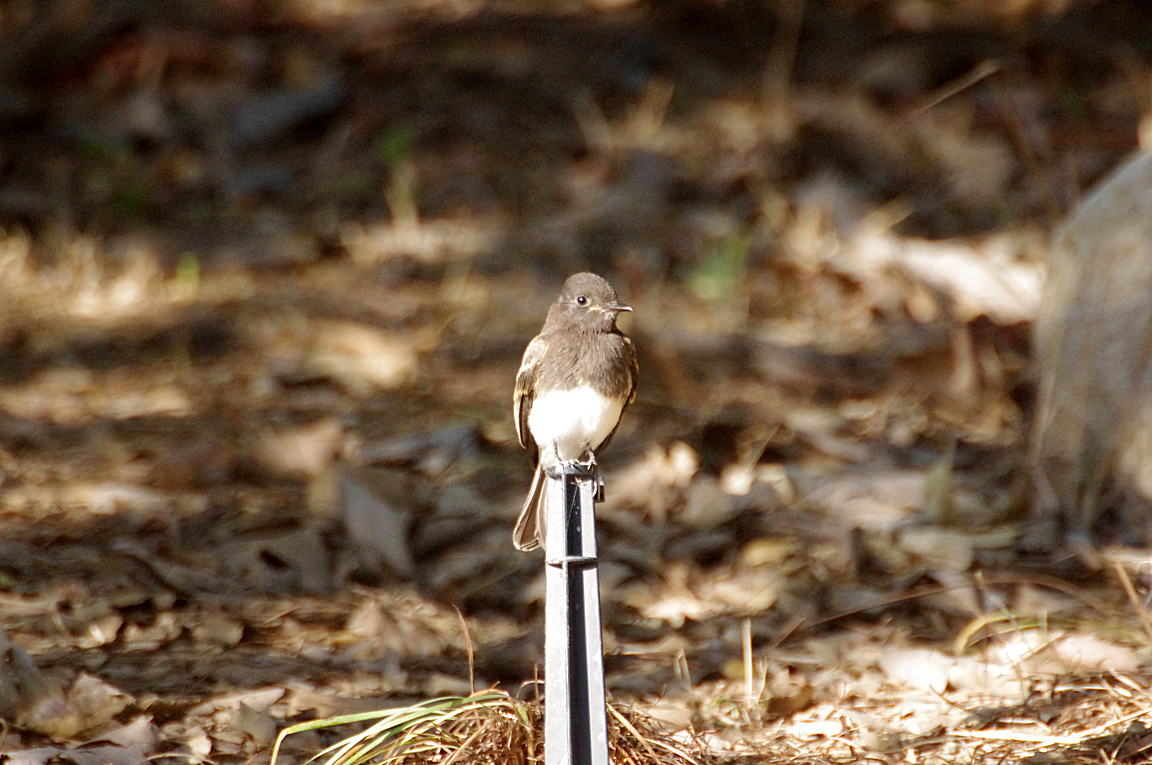
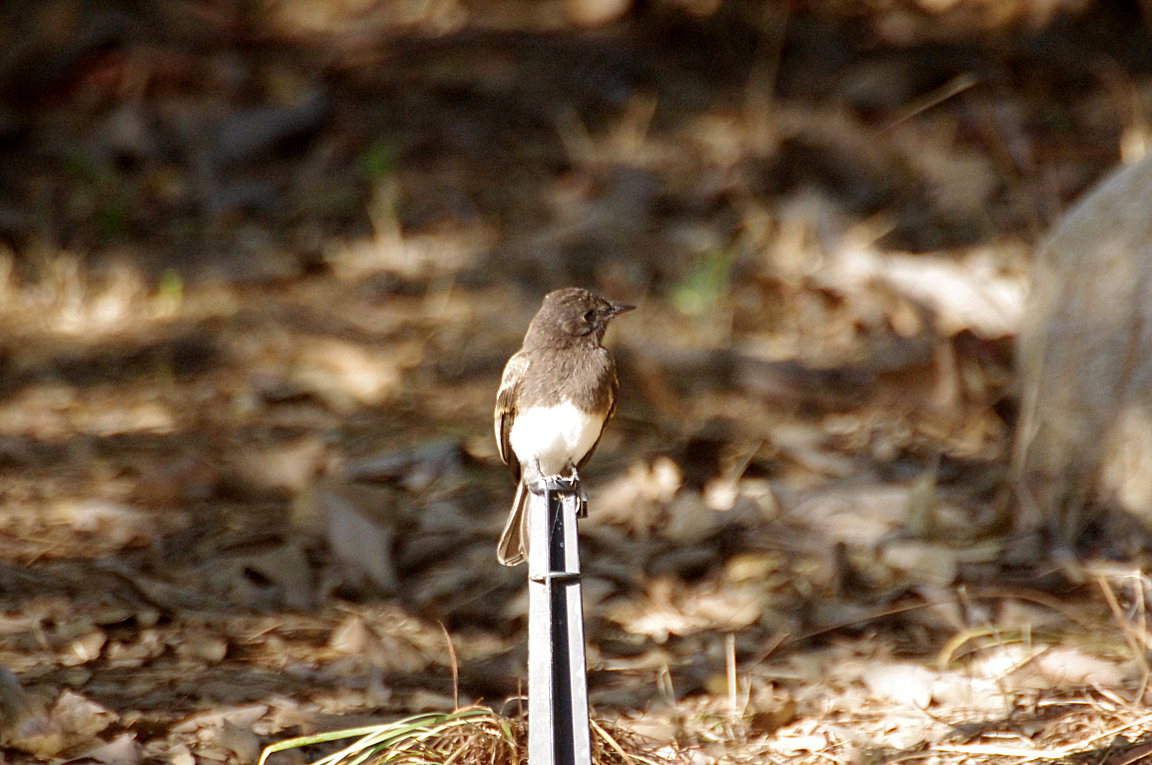
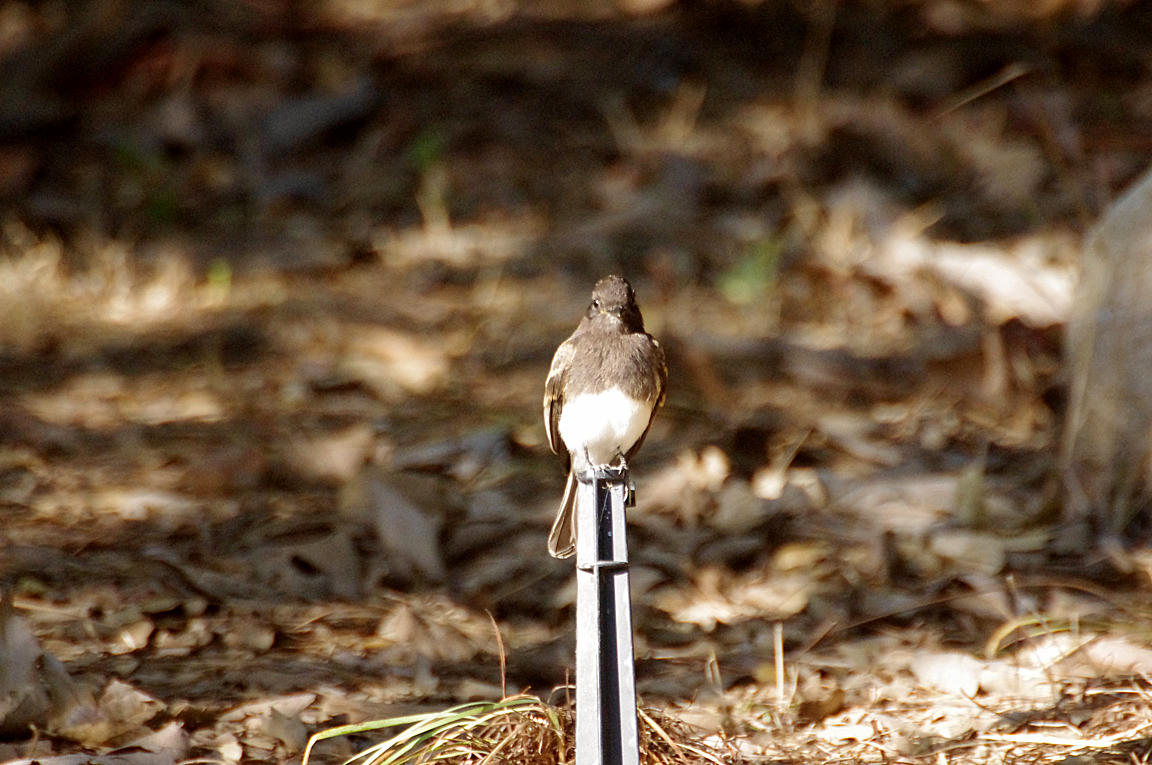
Black above and below.
White belly and under tail.
Wags tail.
White belly extends onto chest in an inverted V.
Outer edge of outer tail feather white.
Small bill black.
Feet black.
Flycatches from exposed perch.
Sex Differences
Sexes Similar
Immature
Immature like adult, but with cinnamon edging to wing and back feathers.
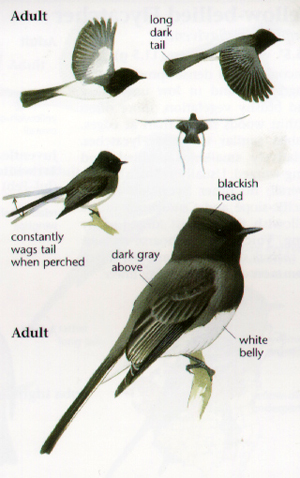
Photo taken from: The Sibley Field Guide by David Allen Sibley
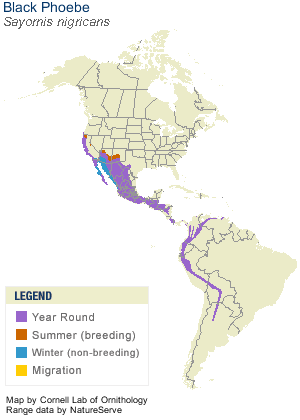
© 2003 Cornell Lab of Ornithology
|
Habitat |
|
Found in open areas near water, along cliffs, streams, lakes, agricultural areas, and parks. Often found around buildings. |
|
Behavior |
|
Found in open areas near water, along cliffs, streams, lakes, agricultural areas, and parks. Often found around buildings. |
|
Food |
|
Insects, some small berries and small fish. |
Taxonomy
| Kingdom: | Animalia |
| Phylum: | Chordata |
| Subphylum: | Vertebrata |
| Class: | Aves |
| Order: | Passeriformes |
| Family: | Tyrannidae |
| Genus: | Sayornis |
| Species: | Sayornis nigricans |
| Subspecies: | Sayornis nigricans amnicola |
| Sayornis nigricans angustirostris | |
| Sayornis nigricans aquaticus | |
| Sayornis nigricans latirostris | |
| Sayornis nigricans nigricans | |
| Sayornis nigricans semiater |
Similar Species |
|
|
Bird Sound |
|
Song a broken series of whistled phrases. Each phrase made of two notes, the second downslurred. "Tee-hee, Tee-hoo." |
|
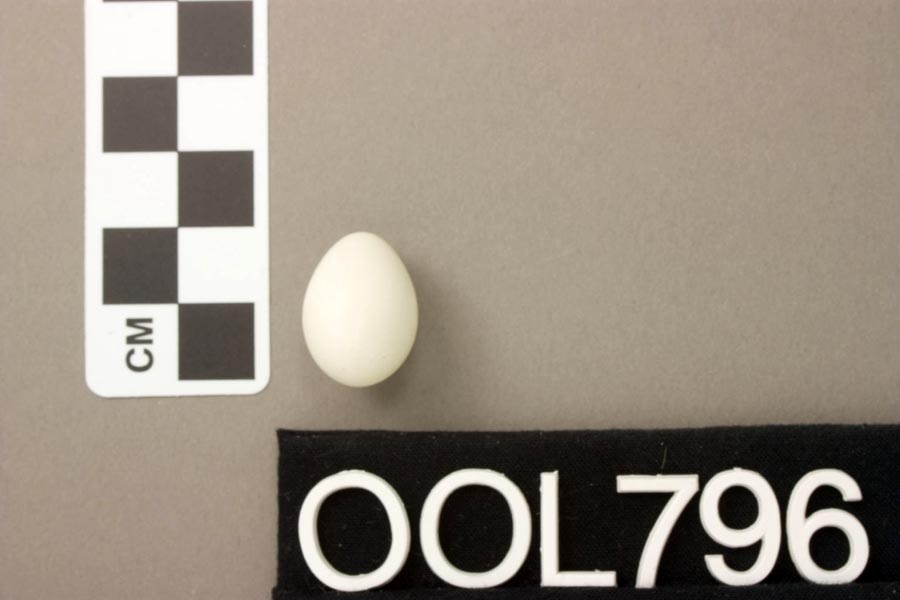
Eggs look like this |
|
Photo taken from: ARCTOS Collaborative Collection Management Solution |



.png)


|
|
Sources Used To Construct This Page |
|||
|
Wolf, B. O. 1997. Black Phoebe (Sayornis nigricans). In The Birds of North America, No. 268 (A. Poole and F. Gill, eds.). The Academy of Natural Sciences, Philadelphia, PA, and The American Ornithologists' Union, Washington, D.C. |
||||
 |
 |
 |
 |
|
| All photos and videos © Rick Swartzentrover - Free for non-profit use. | ||||