|
|
|
 |
Ruby-crowned Kinglet
|
| Regulus calendula | |
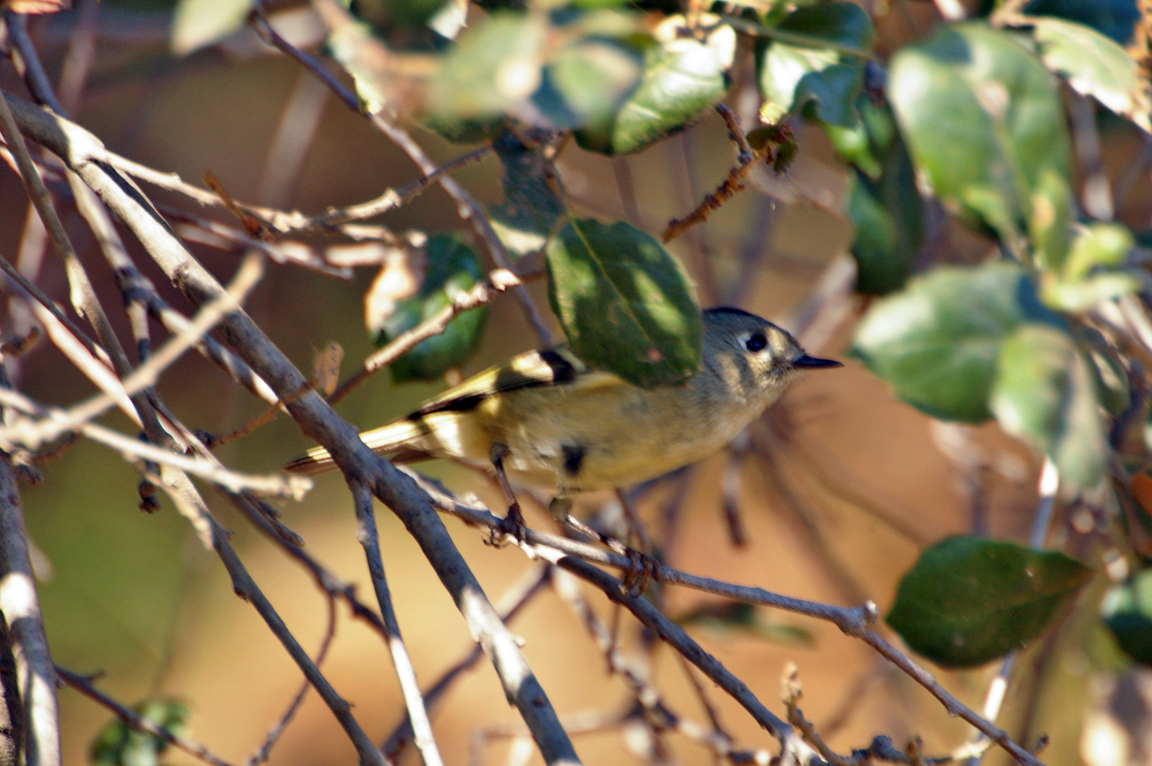
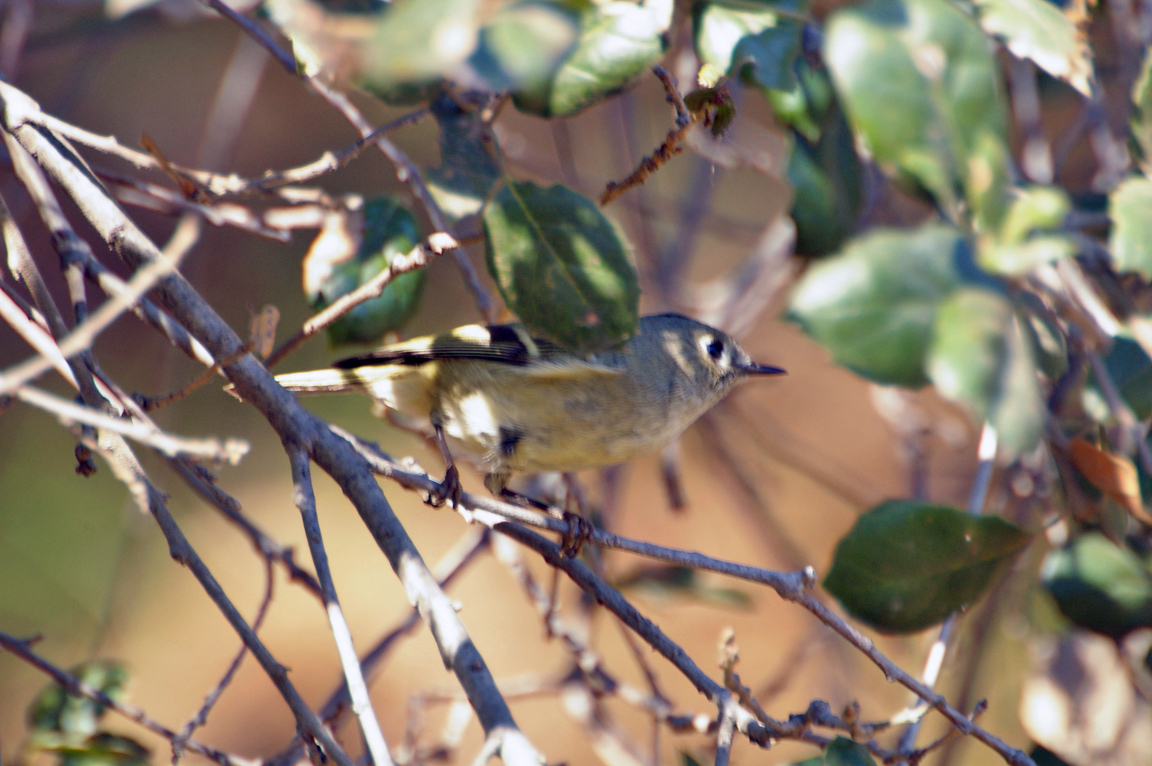
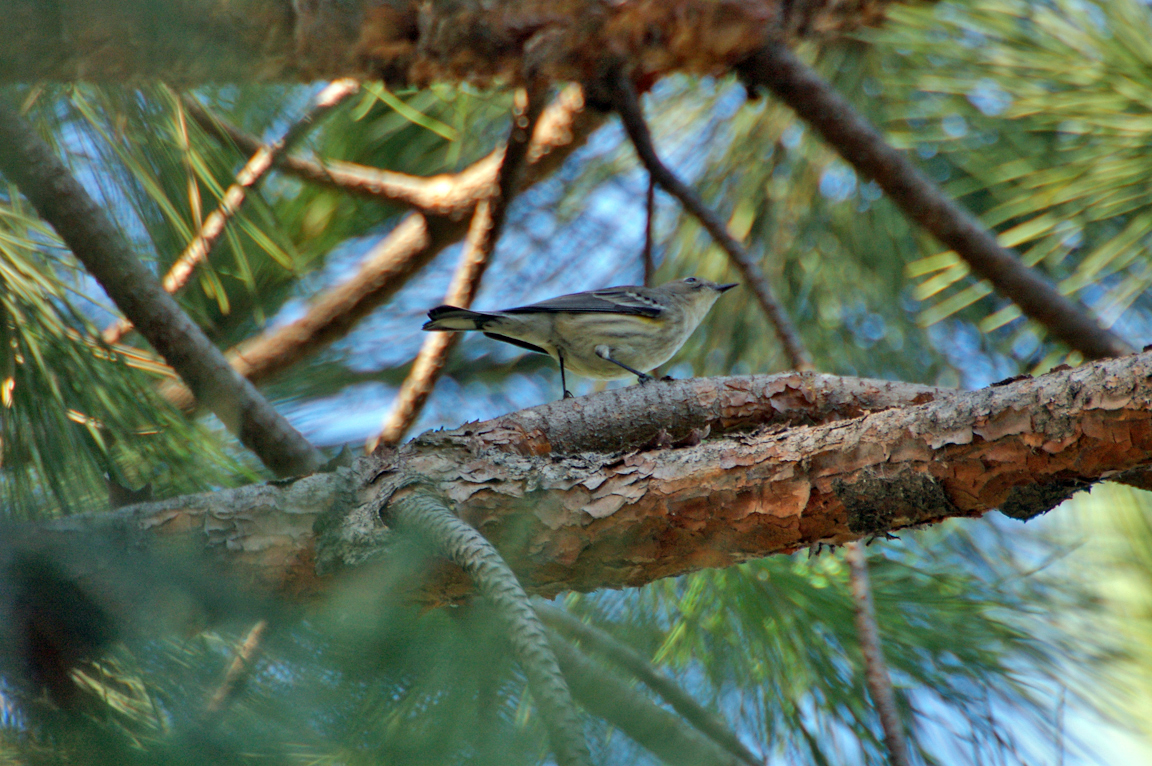
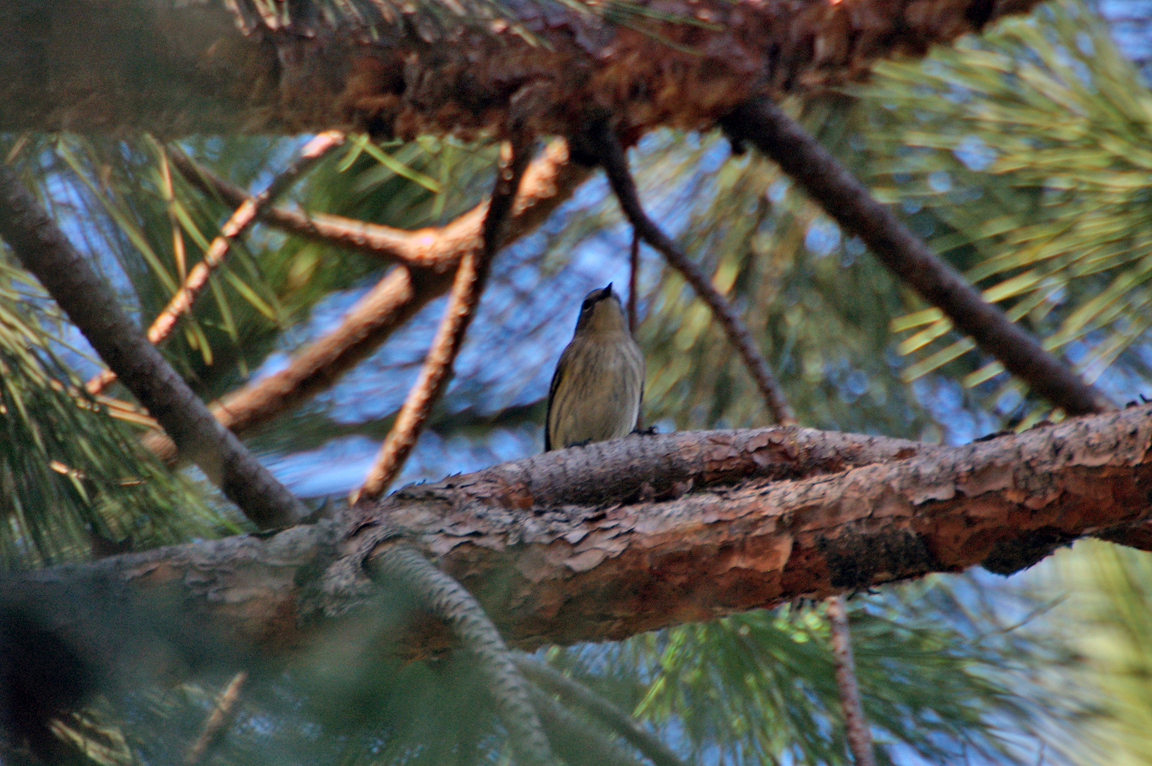
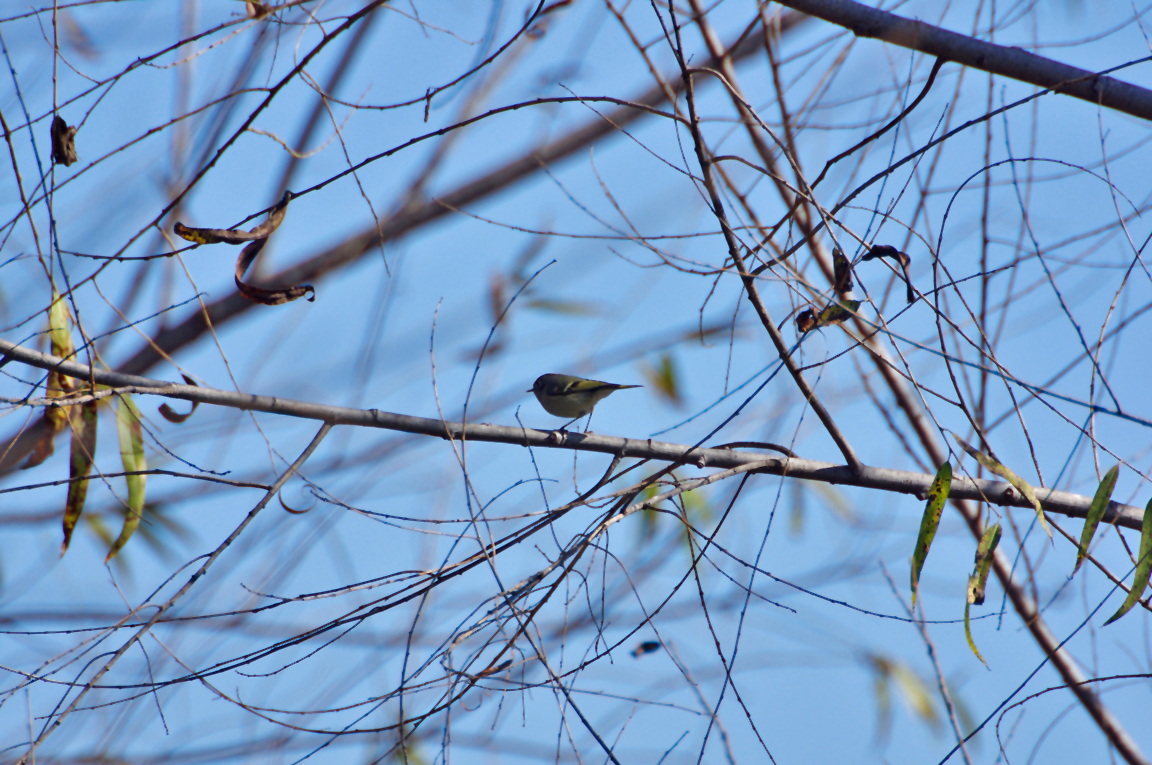
One of North America's smallest birds, the Ruby-crowned Kinglet can be recognized by its constant wing-flicking. The male shows its red crown only infrequently.
Interesting Information
-
The Ruby-crowned Kinglet is a tiny bird that lays a very large clutch of eggs. Although the eggs themselves weigh only 0.65 g (0.02 oz), an entire clutch can weigh as much as the female herself.
-
The Ruby-crowned Kinglet was described in 1766 by Linnaeus; its generic name is Latin for 'little king'.
-
It differs sufficiently in its voice and plumage from other kinglets that it is occasionally afforded its own genus, Corthylio.
-
They feed lower in the canopy than the Golden-crowned and characteristically hovers above a twig looking for caterpillars, aphids, and other insects.
-
A group of kinglets has many collective nouns, including a "castle", "court", "princedom", and "dynasty" of kinglets.
Description
Adult Description
-
Tiny bird.
-
Dull, olive-green.
-
Wingbars.
-
Eyering.
-
Short tail.
-
In constant motion, continually flicking its wings.
-
Length Range: 11 cm (4.25 in)
-
Weight: 6 g (0.2 oz)
-
Size: Very Small (3 - 5 in)
Sex Differences
Sexes Similar
Male with red crown (usually hidden)
Immature
Immature similar to adult.
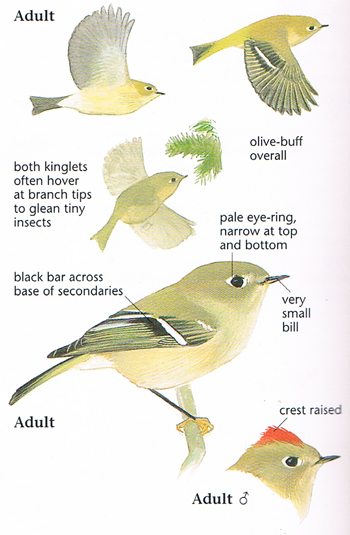
Photo taken from: The Sibley Field Guide by David Allen Sibley
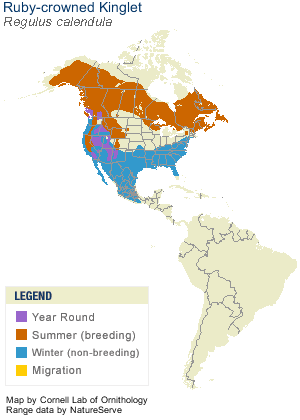
© 2003 Cornell Lab of Ornithology
|
Habitat |
|
Preferred habitats include coniferous and deciduous forests. |
|
Behavior |
|
Gleans food from tips of branches and bark. Hovers and gleans from foliage. |
|
Food |
|
Small insects and their eggs. |
Taxonomy
| Kingdom: | Animalia |
| Phylum: | Chordata |
| Subphylum: | Vertebrata |
| Class: | Aves |
| Order: | Passeriformes |
| Family: | Regulidae |
| Genus: | Regulus |
| Species: | Regulus calendula |
| Subspecies: | Regulus calendula calendula |
| Regulus calendula cineraceus | |
| Regulus calendula grinnelli | |
| Regulus calendula obscurus | |
Similar Species |
|
|
Bird Sound |
|
Song a jumble of notes, starting with two or three high "tsees," followed by five or six lower "tur" notes, and ending with repeated "tee-da-lett" phrases. Call a quick "di-dit." |
|
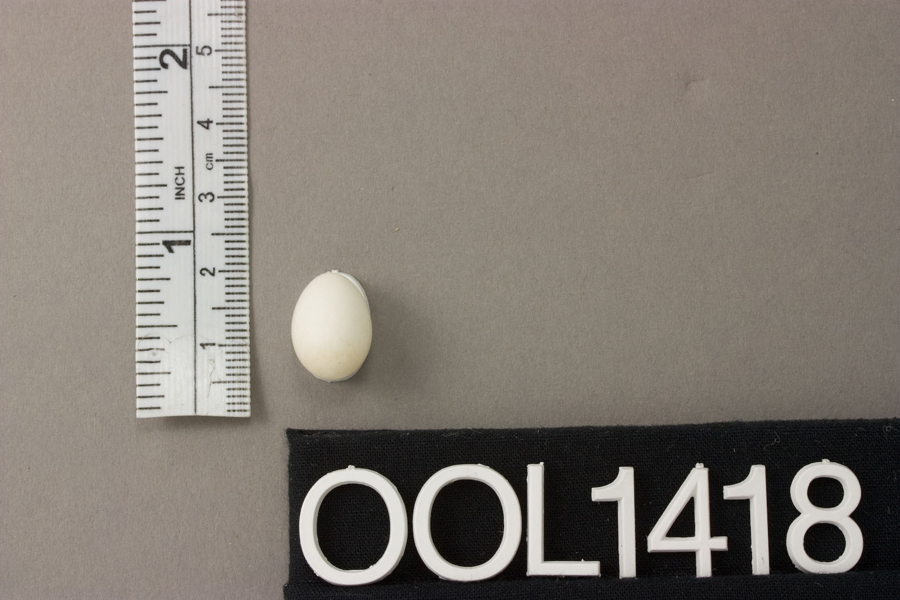
Eggs look like this |
|
Photo taken from: ARCTOS Collaborative Collection Management Solution |



.png)


|
|
Sources Used To Construct This Page |
|||
|
||||
 |
 |
 |
 |
|
| All photos and videos © Rick Swartzentrover - Free for non-profit use. | ||||